


Outreach activities on ecological restoration of the Iahorlyk river: feedback and lessons learned by the local community and authorities
Posted on 10.01.2022
Communication is key for success in any endeavor, and ecological restoration is no exception. Implementation of complex restoration projects requires not only a solid scientific groundwork and planning, but also clear and transparent communication with the ultimate beneficiaries – the people that live in the vicinity of the river, whose livelihoods directly depend on its state and whose opinions should be sought and closely considered.
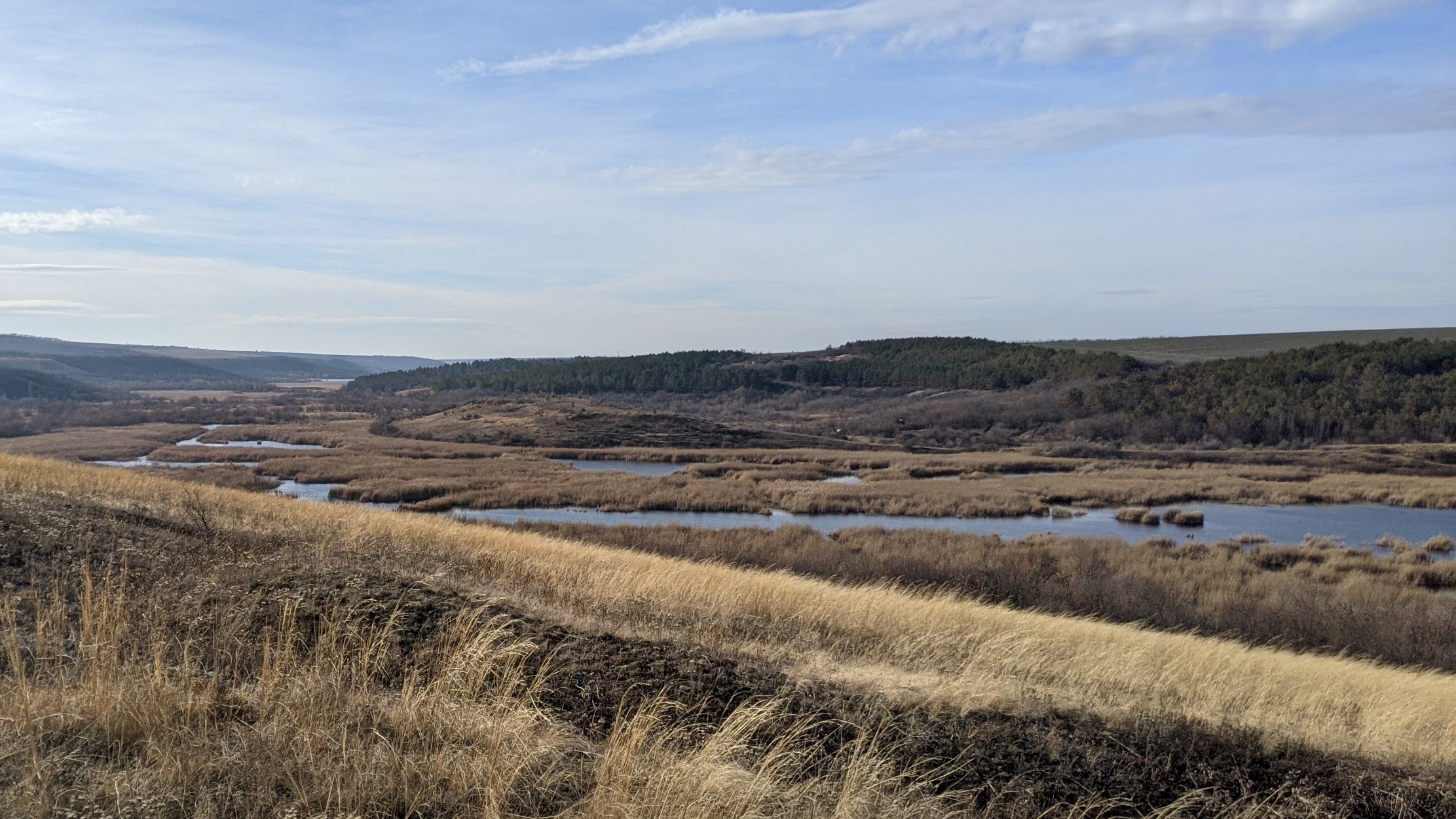
The activities related to the ecological restoration of the Iahorlyk River, implemented by the OSCE in joint collaboration with UNDP in the framework of the GEF funded project “Enabling Transboundary Co-operation and Integrated Water Resources Management in the Dniester River Basin” (Dniester project) over 2020 -2021 were among the first such activities on small lowland river restoration in Ukraine. Considering the threat multiplier effects of climate change and the arid conditions in the Odesa region where the pilot site is located, achieving the goal of restoring the river flow, improving the water quality, and tackling the associated challenges was one of the top priorities for the local community, and thus for the project partners. The activities implemented covered a section of a little over 8 km (~11% of the river length) between the villages of Dovzhanka and Rozivka. The heavily regulated water flow with neglected/damaged culverts and illegal embankments, water bloom and stench of nutrient-loaded stagnant water, waterlogged pastures and significant reed overgrowth, as well as plowing and fertilization in the floodplain areas and the riparian protection strips were some of the issues addressed as part of the ecological restoration set of activities.
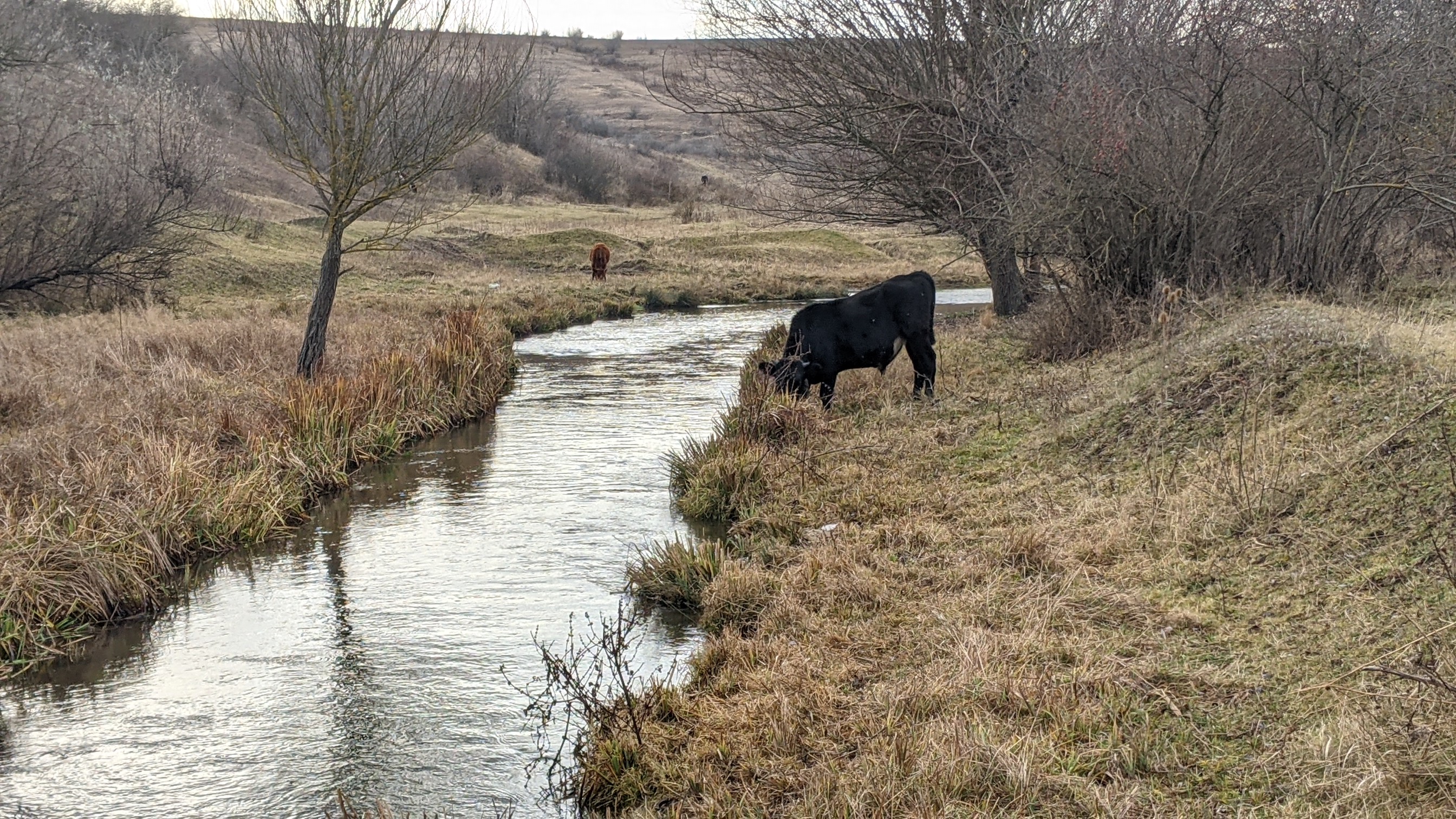
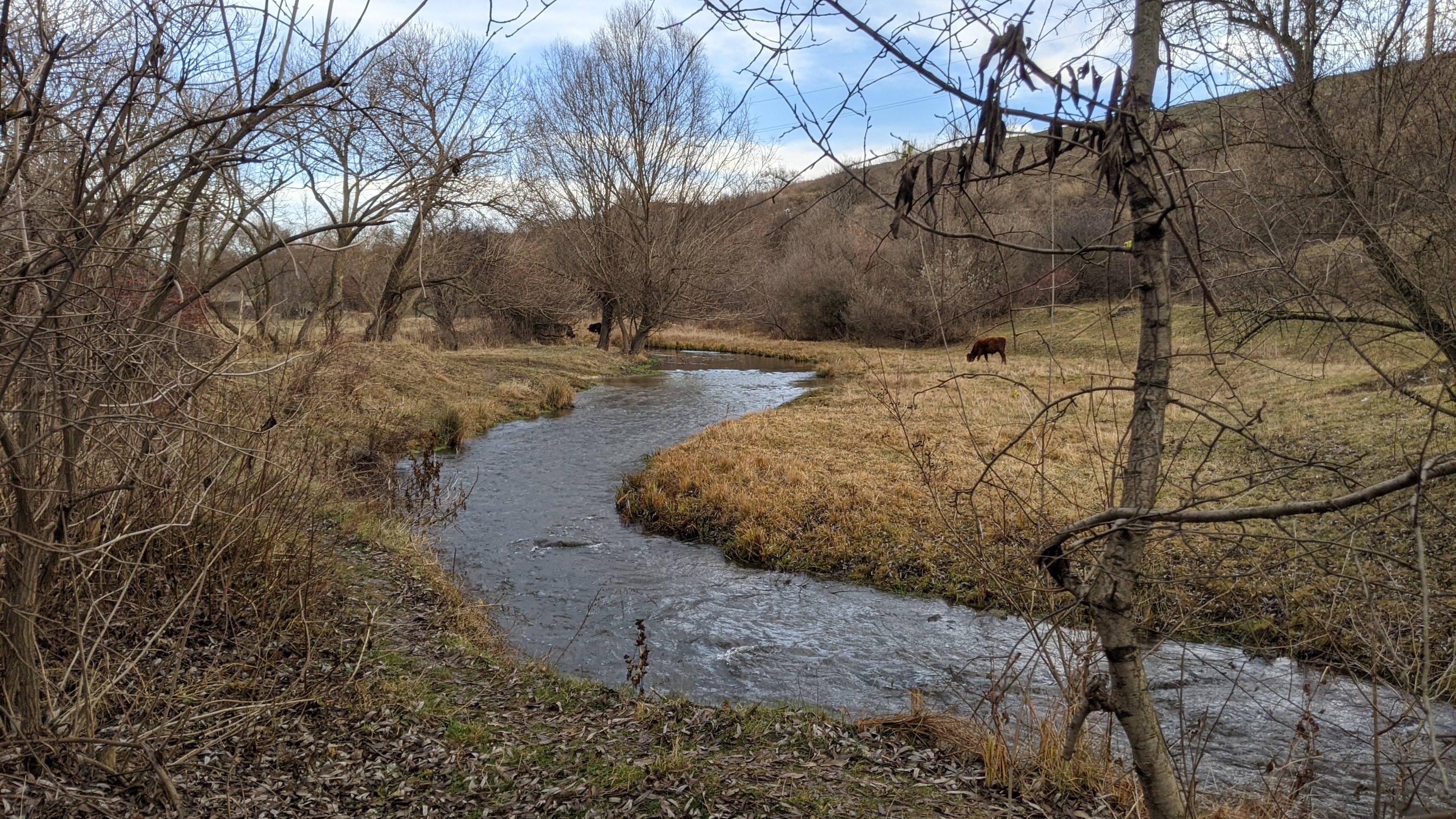
Following the survey work, the initial public consultations and a range of procedures to obtain the necessary permissions and pass the environmental impact assessment, the construction work commenced in spring 2021. The original meandering channel of 8 km in length was restored between the villages of Dovzhanka and Rozivka, which, inter alia, meant the removal of reeds and silt deposits along the transect. A couple of cross-river passages (both those in critical condition and those obstructing the river flow) were dismantled and replaced with wooden bridges for the local people’s easier access. A dam under the motorway, which created a significant barrier for the river, was modified to include a culvert and enable the free water flow. Please see the first results of the completed work in the video prepared within the Dniester project https://youtu.be/IkADhOeVUb4
Evidently, the complex environmental changes following the restoration works require time and continued efforts, including of the local community to maintain the results achieved, so far so that the effects will become even more visible in the following couple of years. However, it was essential for the project team to meet with the local community and authorities to provide a platform for exchanging views and lessons learned on the activities implemented, the associated first results and the crucial role of the community in maintaining the good condition of the river.
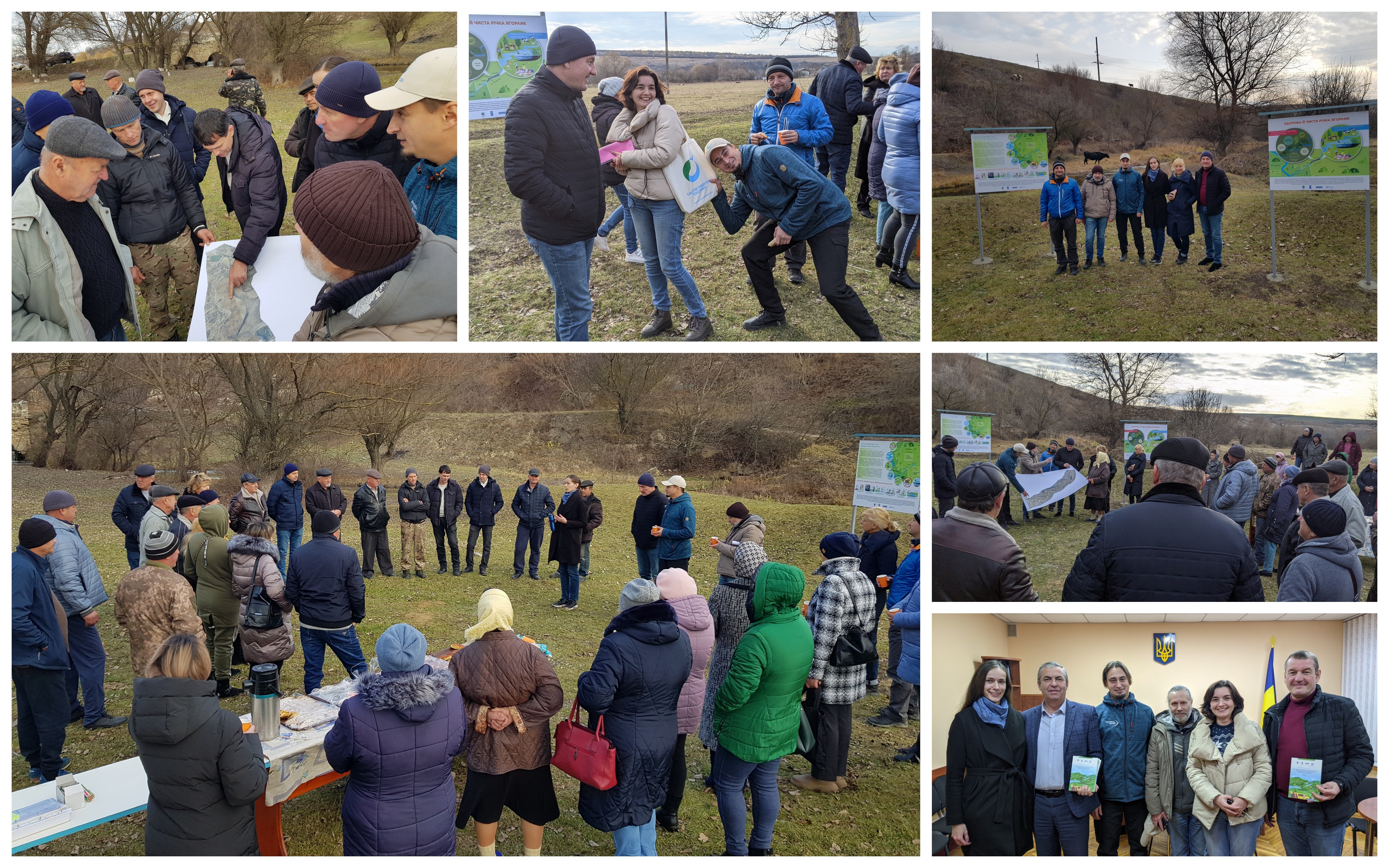
The outreach event on the outcomes of the restoration activities and possible steps forward took place on 3 December 2021 by the Iahorlyk River in Dovzhanka village. Around 35 people representing the villages of Dovzhanka, Artyrivka and Rozivka, as well as the neighbouring Malayivtsi village were present. Furthermore, two starostas (leaders of the local communities) and a representative of the Okny village council participated in the meeting. Following introductory words by the project team and the local authorities, the floor was open for questions and comments from the local people. An overall positive feedback was provided by the local community in relation to the completed set of activities, and people recognized that during the summer of 2021 the water bloom and hydrogen sulfide stench have virtually disappeared from the segment near the Artyrivka village, where it used to be a problem. Moreover, the river flow has slowly started to grow as a result of both removal of barriers and clearance of river-channel springs. Waterlogging of riverside pastures and floodplains is also gradually decreasing, which, in turn, presents a risk of illegal land grabbing for plowing.
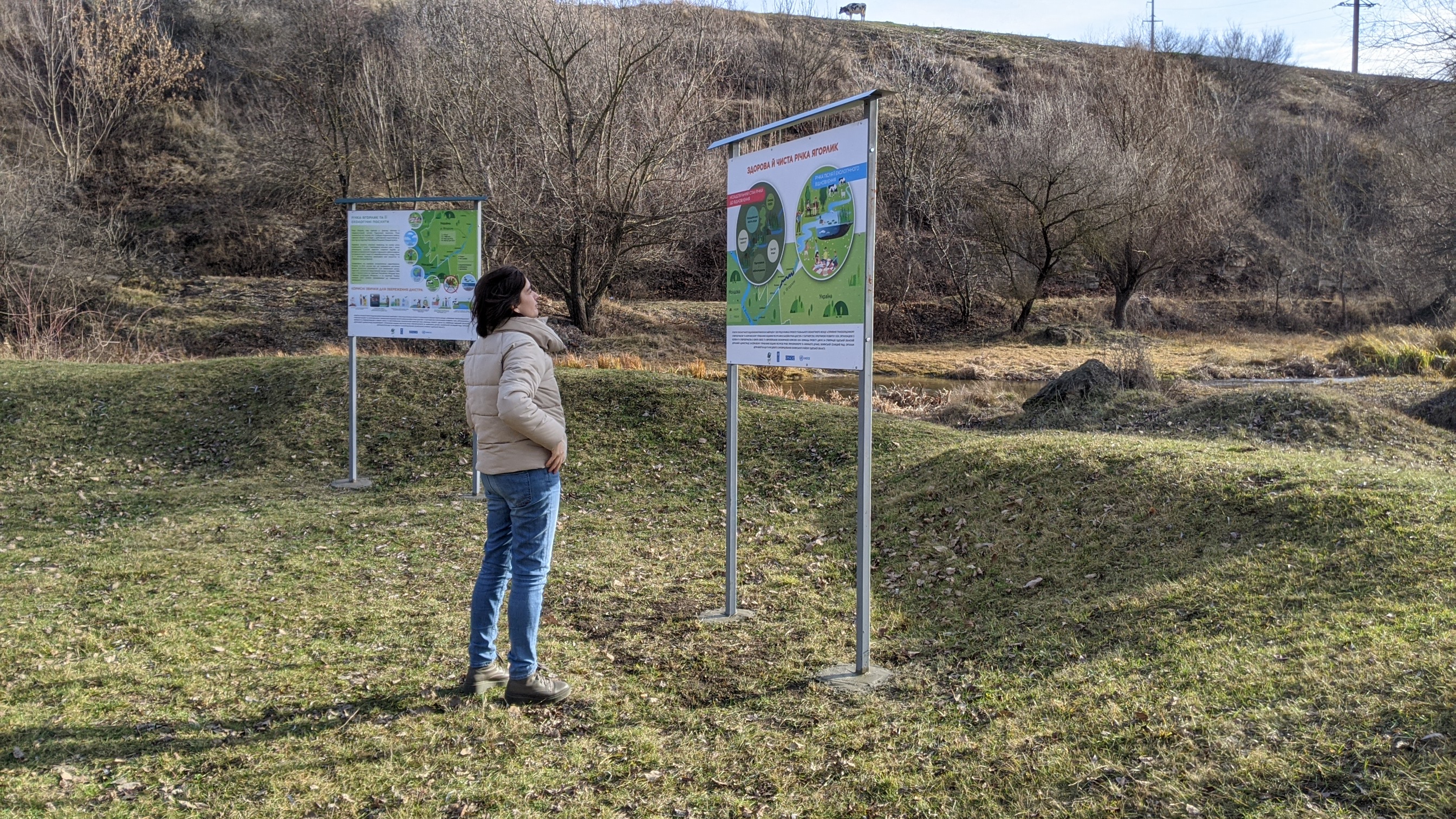
To prevent the expansion of arable land at the expense of riparian buffer strips, the local community was informed, through information boards developed by the OSCE, as well as through information leaflets on the legal restrictions regarding the 25-meter zone along the riverbanks and the importance of restraining from prohibited activities, e.g., plowing, use of fertilizers, construction, setting up of garbage dumps. The leaflets containing key information on the 25m riparian protection strips were handed out for personal use and further distribution among the community members. The project team and experts highlighted the cause-and-effect mechanisms influencing the water quality and once again emphasized that a major part of the responsibility for the river health lies in hands of the local community.
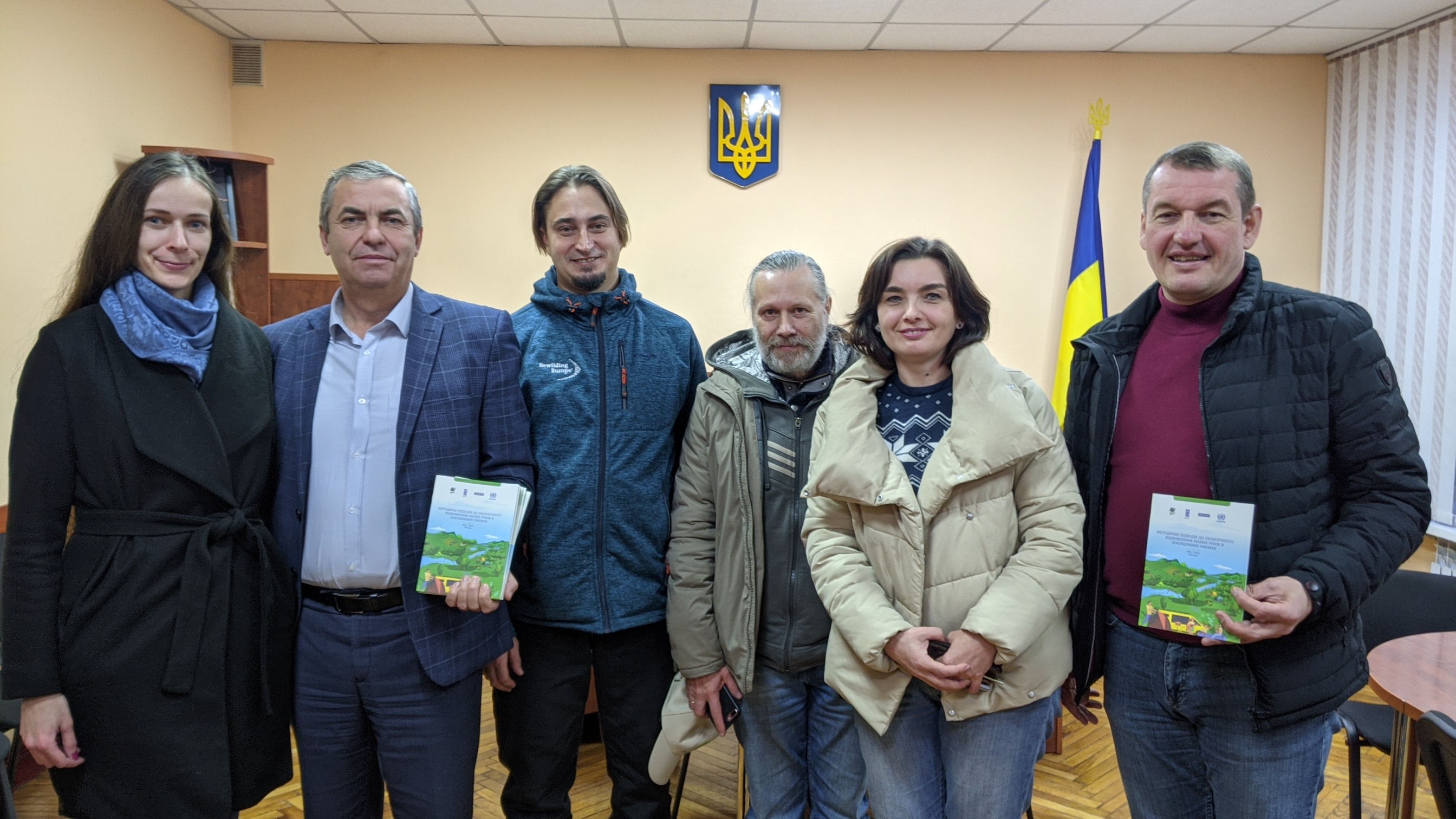
In conclusion of the meeting, the discussion focused on possible steps forward and potential suggestions and views of the community members. Considering the pioneering nature of the restoration project, the area is now attracting attention of journalists, non-profit environmental organizations, and potential donors, also with a view for further replication along other small rivers in the Dniester River basin, as well as other basins. This represents a good opportunity for the local residents to use the momentum and develop the recreation and tourism capacity of the territory. Several participants outlined the potential areas for setting up recreation infrastructure and possible services and attractions, such as fishing, mushroom hunting, tasting local cuisine, etc. Also, the project team reminded that using the riparian buffer strips as pastures, as well as for cultural, recreation and tourism purposes is allowed, and with the necessary proper planning and commitment, it can become an alternative source of income for the community members.
Overall, it is safe to conclude that having such awareness-raising and outreach events at local level are key for maintaining the successful results of the restoration project.
You might also like:
- “Colours of the Dniester” Award Ceremonies Celebrate Young Voices and Co-operation for the Shared River in Moldova and Ukraine
- 6TH MEETING OF THE COMMISSION ON SUSTAINABLE USE AND PROTECTION OF THE DNISTER RIVER BASIN
- Draft Agenda of the 6th Meeting of the Commission on Sustainable Use and Protection of the Dniester River Basin